
Description
Five years after the second life of Death was started with the release of their revelatory 1976 album, For The Whole World To See, Deaths III slams the door on the vault with a powerful set of songs that bring equal amounts of rock and ethereal soul-searching, in high-fidelity, rich bottomed, studio-grade sound.
Alongside songs from 1975, 1976 and 1980, III contains two songs from 1992, as the Hackney brothers reconvened nearly a decade after theyd stopped playing together. III serves as a companion piece of sorts to the A Band Called Death documentary, tracking the bands movement from spiritual young rockers to older and wiser, bruised-but-undefeated brothers, in pure musical terms.
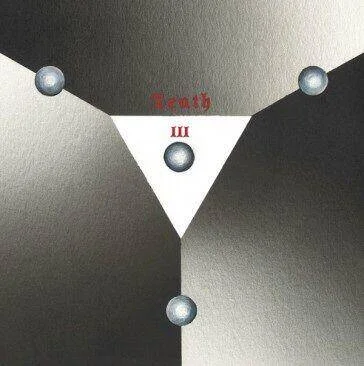
David Hackneys visual representation of Death was a triangle, where spiritual, mental and physical formed the three angles. With this in mind, For The Whole World To See is clearly the physical corner, with its undeniable proto-punk power. Spiritual-Mental-Physical explores the mental axis, with Death working through some of their influences including The Beatles, Jimi Hendrix, The Who and even ELO in their practice space. III is the spiritual end of the portrait, bookended by the dreamlike rock visions of David Hackney that created and propelled the band called Death.
III starts with David inside a deep 1975 guitar improvisation, rising up through atmospheres and prehistoric guitar murk to coalesce in jagged monster-riff-dom. The whole exercise recalls Funkadelics great Eddie Hazel while reflecting the pure essence of David Hackneys guitar style. This jump-cuts perfectly five years into the future, with the funky staccato of North Street, which finds the bands punkish approach at its most aggressive. From there, the album moves back and forth from 1975 and 1976 (including two songs recorded at Groovesville in Detroit with the other For The Whole World To See songs) to 1980, showing the band streamlining their frenetic core and maximizing the power.
The lyrical focus of the songs Open Road, We Are Only People and Free is more in the spirit / soul side of Death as heard on Let The World Turn and Where Do We Go From Here??? sensitive, searching, reflective.
We Are Only People is an epic journey that begins with another Funkadelic-styled spoken-word moment, progressing through a spacious solo-guitar-with-harmonies section and into the inevitable rock conclusion. Dark hues are generated by the relentless and speedy Restlessness, while remaining at a philosophical remove, and Free is a heavy duo piece with Bobby and David exploring the meaning of the word.
The albums climax is provided by a trio (once again, the triangle) of David songs, two of which hail from 1992. All three pieces together form a release of the soul of Death from its dark origins, building optimism upon the harsh realities theyd experienced in their lives, more relaxed without losing the spark and bite of those former times. The unaccompanied guitar instrumental First Snowfall In Detroit is David Hackney at his most soulful, which gives way to Were Gonna Make It, first featured as an emotional climax to the documentary and no less powerful here. With these songs, III pays final tribute to David Hackneys thoroughly original voice and vision, now stilled, but captured forever as a part of the remarkable story of Death.
The albums cover was created in 1976 by Don Schwenck, working from Davids design and intended to be the cover of the album they were recording. Once that album failed to materialize, the brothers forgot about the commission, and when For The Whole World To See was eventually released, Bobby Hackney Jr.s distinctive image fronted the design. However, when Death returned to Detroit to play in 2010, Don Schwenck was there, with the artwork he had created 35 years earlier. Bobby Jr. added the logo to the image and it was ready to go. With the release of III, the final record from the vault, all things come full circle for Death.
Reviews
There are no reviews yet.